
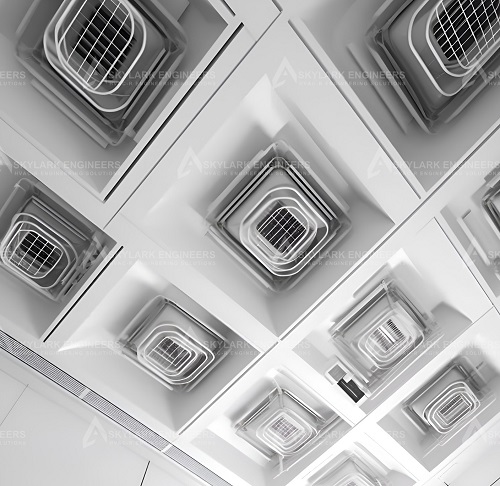
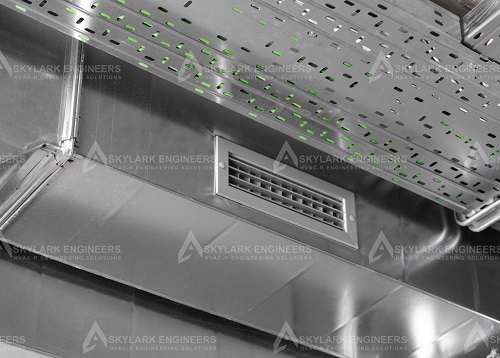
A ventilation system is designed to ensure the proper exchange of indoor and outdoor air, improve indoor air quality, and maintain comfortable conditions by managing temperature, humidity, and airflow. There are several types of ventilation systems, each serving different needs:
- Natural Ventilation:
- Windows and Doors: Openings that allow fresh air to flow into and out of a building naturally.
- Ventilation Louvers: Fixed or adjustable openings that help facilitate airflow.
- Stack Ventilation: Uses vertical shafts or openings to create a stack effect, drawing cooler air in and expelling warmer air out.
- Mechanical Ventilation:
- Exhaust Fans: Remove stale air from specific areas like kitchens and bathrooms.
- Supply Fans: Introduce fresh air into a building.
- Balanced Ventilation Systems: Use both supply and exhaust fans to evenly exchange indoor and outdoor air. Often equipped with filters and can be combined with heating or cooling.
- Heat Recovery Ventilation (HRV):
- Heat Recovery Ventilators: Transfer heat from outgoing stale air to incoming fresh air, improving energy efficiency by reducing the need for additional heating or cooling.
- Energy Recovery Ventilation (ERV):
- Energy Recovery Ventilators: Similar to HRVs but also transfer moisture between the outgoing and incoming air, which helps in managing indoor humidity levels.
- Ducted Ventilation:
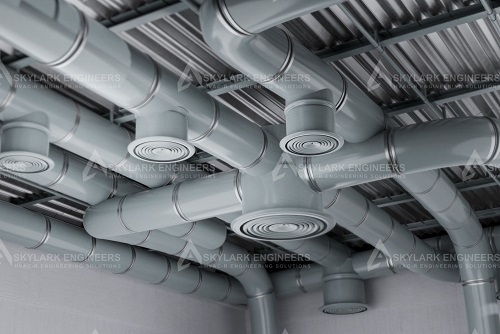
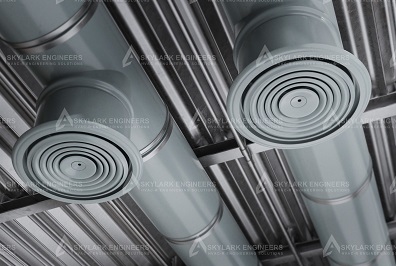
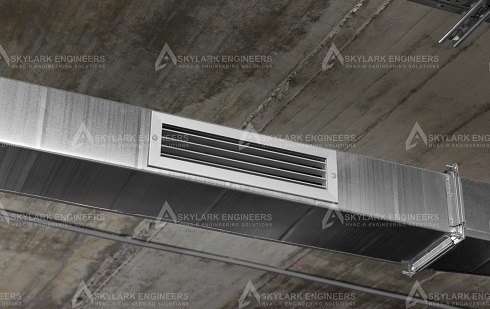
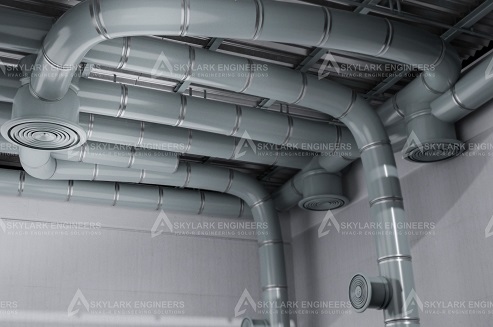
- Central Ventilation Systems: Use a network of ducts to distribute air throughout a building. They can be integrated with heating and cooling systems.
- Hybrid Ventilation:
- Combination of Natural and Mechanical Ventilation: Uses both methods to optimize indoor air quality and energy efficiency.
Good ventilation is crucial for removing indoor pollutants, controlling humidity, and ensuring a comfortable and healthy living environment. It can be particularly important in buildings with high occupancy, specific industrial processes, or areas prone to high moisture levels.