
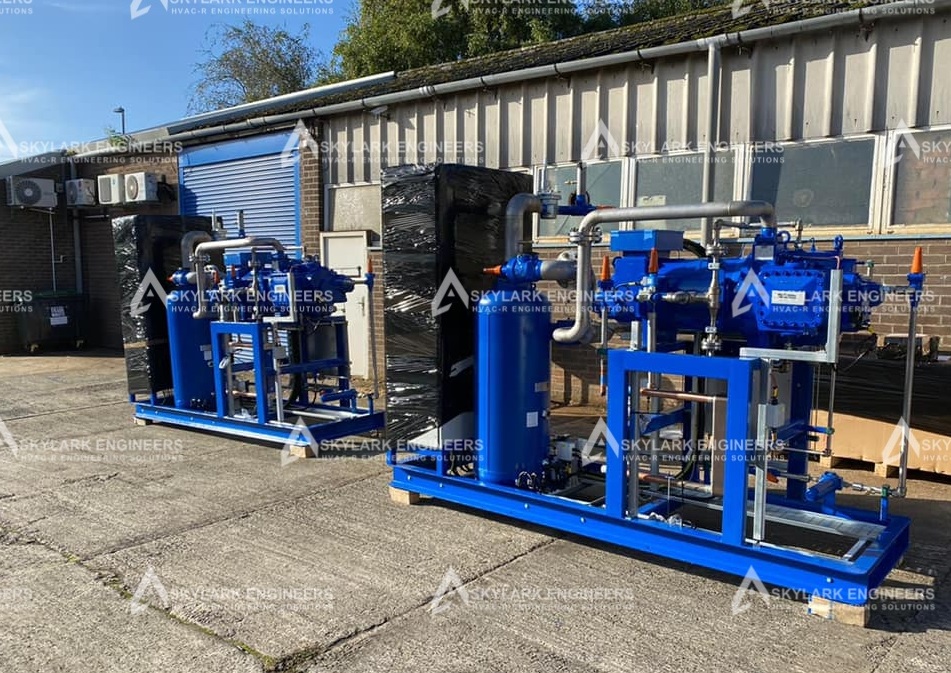
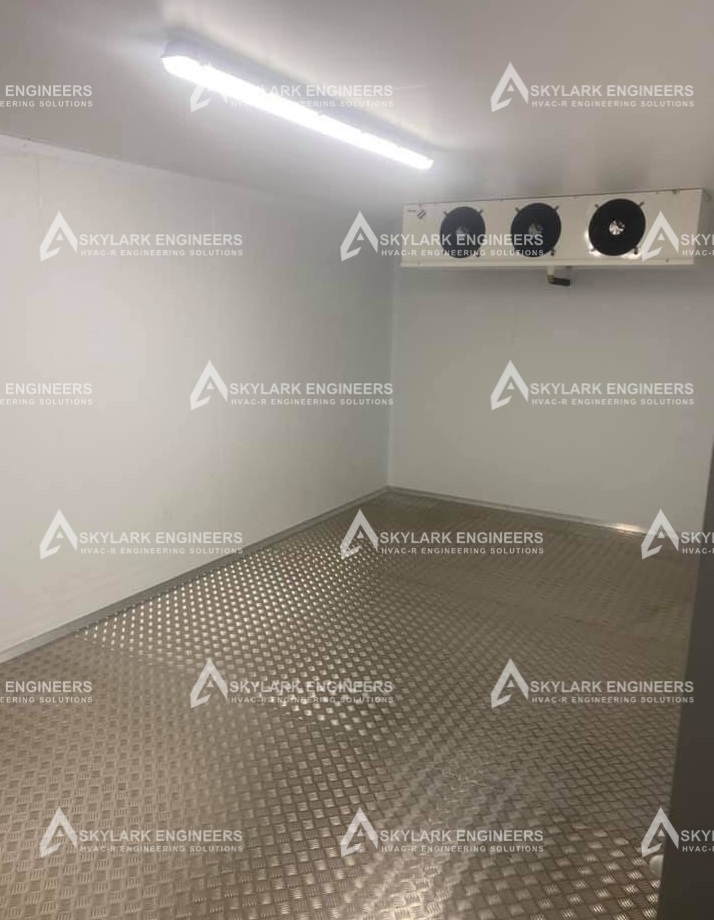
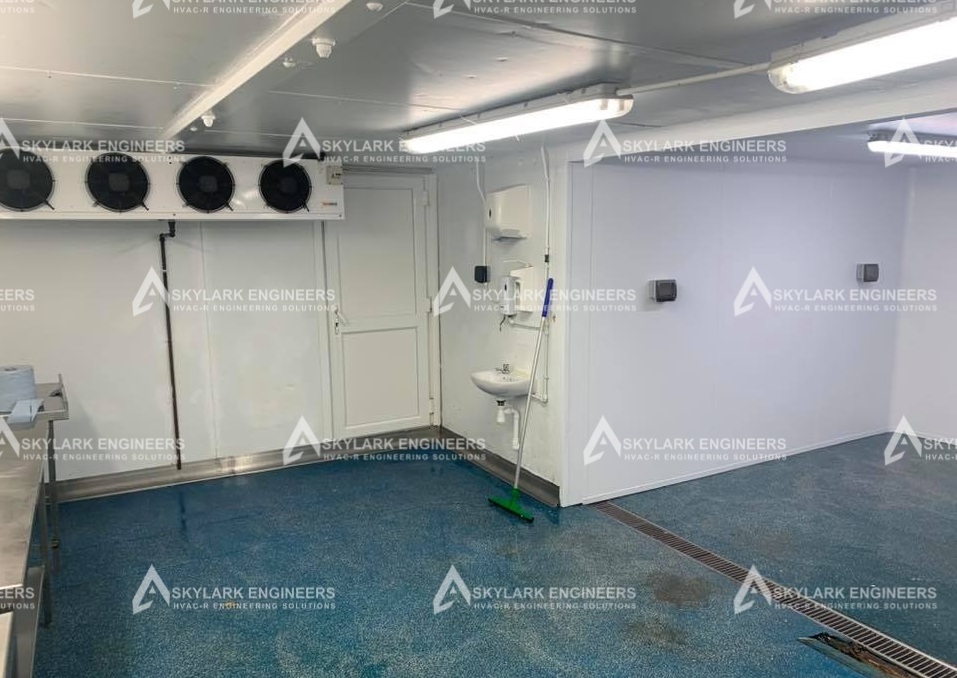
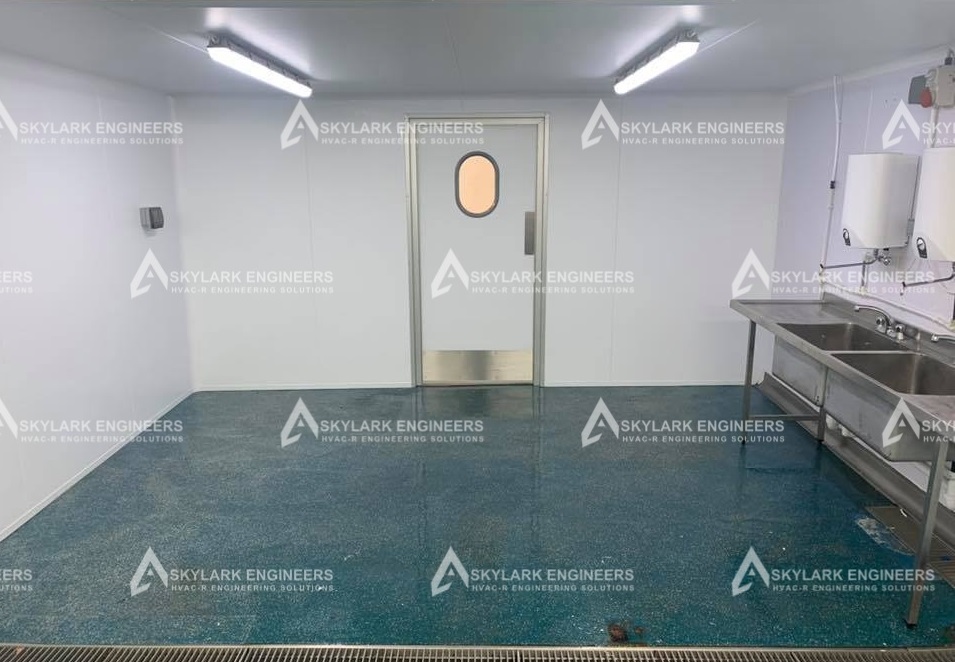
Refrigeration is the process of removing heat from a space or substance to lower its temperature and preserve it. It is commonly used to keep food and other perishable items fresh by slowing down the growth of bacteria and other microorganisms.
Here’s how refrigeration generally works:
- Cooling Mechanism: Refrigeration systems typically use a refrigerant, a substance that changes from liquid to gas at a low temperature. The refrigerant absorbs heat from the space or substance being cooled as it evaporates and then releases the heat outside when it condenses back into a liquid.
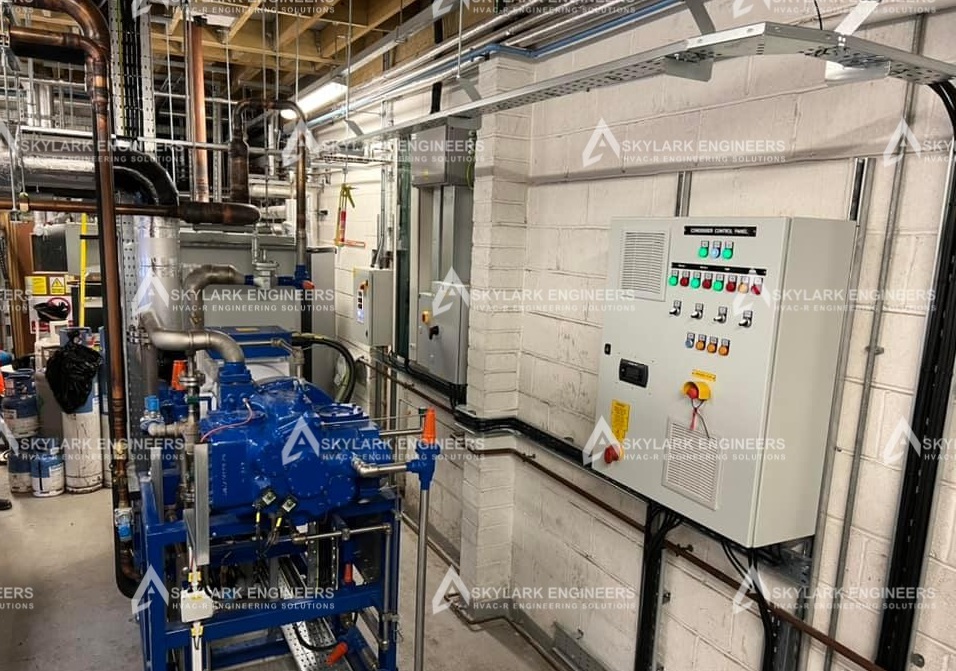
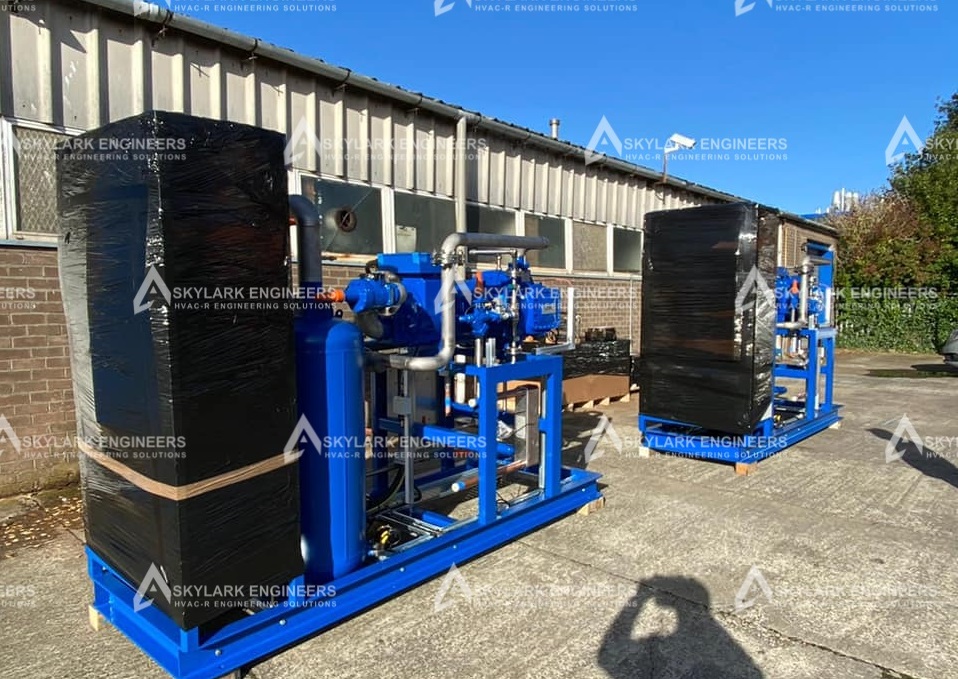
- Components: Key components of a refrigeration system include:
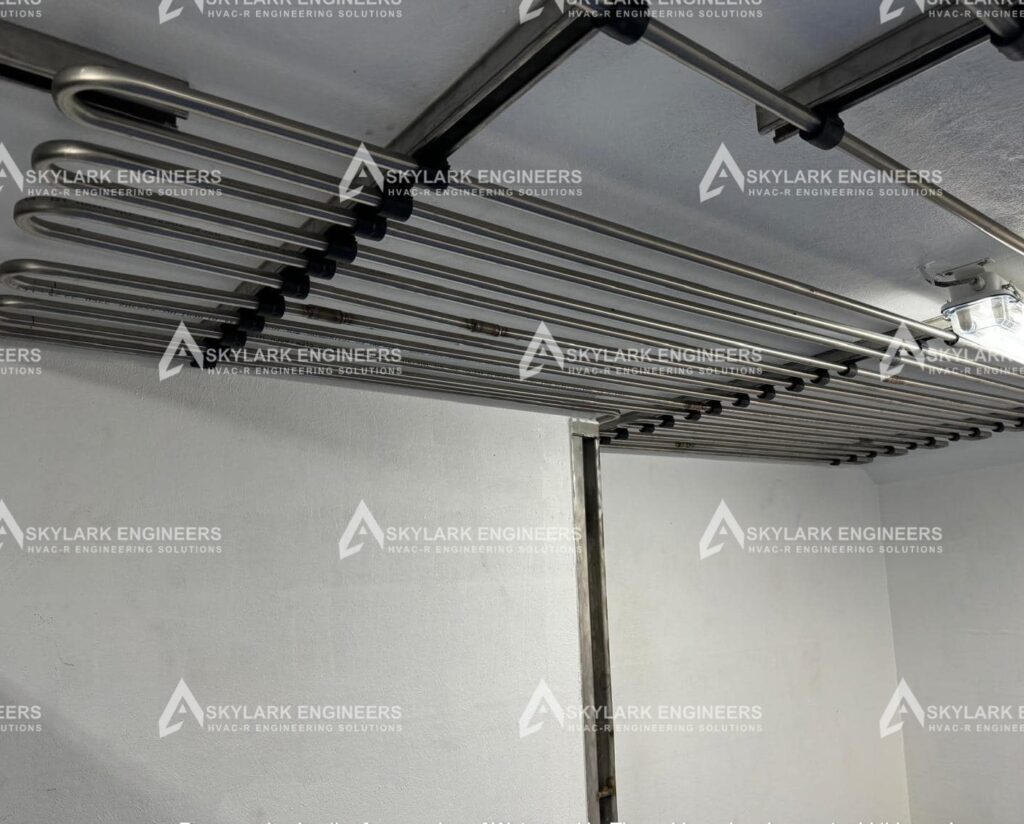
- Evaporator: Where the refrigerant absorbs heat and evaporates.
- Compressor: Compresses the refrigerant gas, raising its pressure and temperature.
- Condenser: Releases the absorbed heat to the outside environment as the refrigerant condenses back into a liquid.
- Expansion Valve: Regulates the flow of refrigerant into the evaporator, reducing its pressure and temperature.
- Applications:
- Household Refrigerators: Used to store food and beverages.
- Commercial Refrigeration: Used in supermarkets, restaurants, and other businesses for preserving perishable goods.
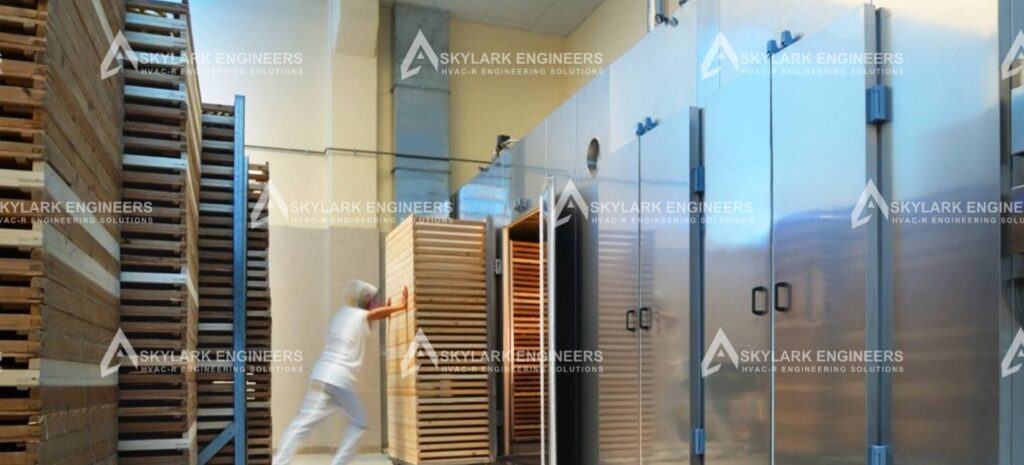
- Industrial Refrigeration: Used in manufacturing processes, cold storage warehouses, and other large-scale applications.
Refrigeration is crucial for maintaining the quality and safety of food, medical supplies, and other temperature-sensitive items.